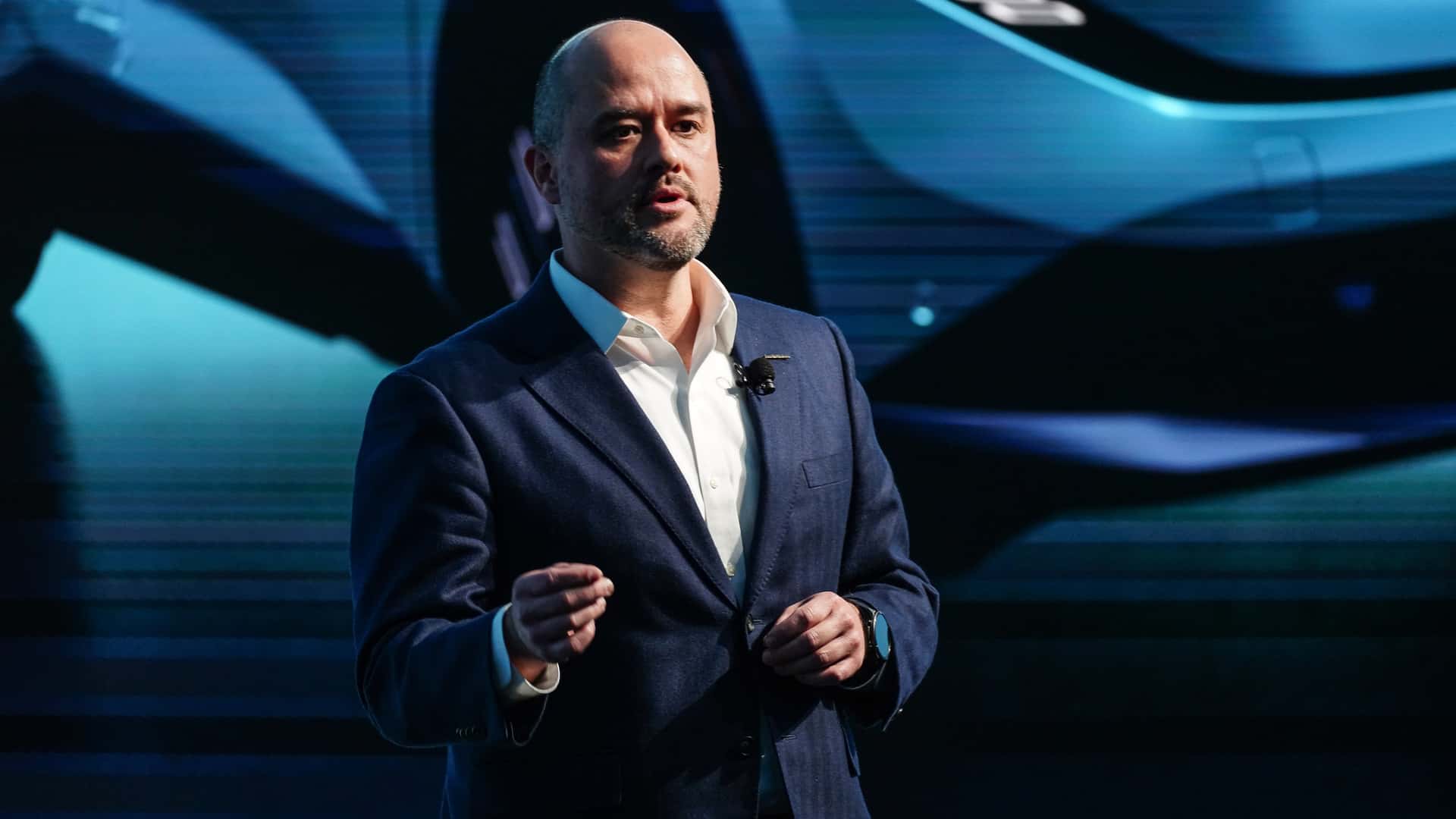
Nissan, a giant in the automotive industry, finds itself at a critical crossroads. Amidst a drastic restructuring and uncertainties about its future, CEO Ivan Espinosa emphasizes the need for flexibility in a rapidly changing market.
A New Direction Under Pressure
Taking the helm of an iconic automaker like Nissan is no small feat, especially in such a complex context. Ivan Espinosa, appointed CEO after Makoto Uchida’s departure, must navigate an unprecedented restructuring. Seven factories and two design studios will close, and 20,000 jobs will be cut. These radical measures aim to stabilize a company anticipating a net loss of $4.2 billion for the 2026 fiscal year. This troubling situation could send shivers down the spine of any investor.

The Challenges of an Aging Lineup
Espinosa’s task isn’t just about cutting costs. He also needs to refresh an aging vehicle lineup. This challenge is crucial as the automotive market rapidly shifts towards electrification and connectivity. In this context, the CEO’s statement about the need to “stay open and flexible” makes perfect sense. Simply put, Nissan’s survival will depend on its ability to adapt to new consumer expectations and increased competition.
Vulnerability Exposed
In an interview with the Financial Times, Espinosa highlighted Nissan’s growing vulnerability against increasingly agile competitors. This reflection is particularly relevant in an industry where technological innovations are redefining the rules of the game. The realization that staying relevant alone in such a competitive environment is difficult could serve as a catalyst for strategic alliances. However, the end of discussions with Honda regarding a potential merger underscores internal tensions and reluctance to share control.
Statements That Raise Questions
Espinosa’s comments about a possible sale of Nissan have sparked speculation. “Anything can happen in this crazy world,” he stated, a phrase that hints at a troubling openness regarding the longevity of the Japanese automaker. While these words do not mean Nissan is for sale, they reveal a pragmatic mindset in the face of market uncertainties. Such admissions could also impact investor and consumer confidence, two crucial elements for the company’s recovery.
A Historic Partnership in Decline
Historically, Nissan has relied on its partnership with Renault to navigate the tumultuous waters of the automotive sector. However, this cooperation appears to be cracking. Renault, which holds a 35.71% stake in Nissan, is gradually reducing its involvement, preferring to explore new alliances, such as the one signed with Ford to develop electric vehicles. This strategic choice raises questions about the long-term viability of the Franco-Japanese alliance and could further isolate Nissan.
The Urgency of Effective Recovery
In a market where development time is crucial, Nissan has set ambitious goals to reduce the creation cycle of a new model to 37 months. This is imperative if the automaker wants to regain market share against competitors like Tesla or Volkswagen, which are heavily investing in innovation. However, this desire for speed may face significant logistical and financial challenges.
In Summary
- Nissan is undergoing a major restructuring with factory closures and layoffs.
- Refreshing the lineup is a critical issue amid increased competition.
- Nissan’s vulnerability is heightened by uncertainty about its strategic future.
- The partnership with Renault is weakening, opening the door to other alliances.
- A rapid recovery is essential to regain a competitive position.
In this challenging context, Nissan’s future will depend not only on its ability to implement these changes but also on its strategy regarding partners and competitors. In the medium term, the brand will need to skillfully navigate between opportunities and threats to avoid fading into obscurity. The choices it makes today will determine its market position in the years to come.