


Volvo takes a giant leap by launching its largest over-the-air (OTA) software update to date. This initiative, affecting nearly 2.5 million cars across 85 countries, aims to transform how users interact with their vehicles. Beyond a simple technical update, this marks a strategic turning point for the Swedish automaker, highlighting its commitment to continuous innovation and customer satisfaction.
With this update, Volvo demonstrates its desire to position itself as a key player in embedded technology. The new user experience, called Volvo Car UX, promises simplified navigation and a reimagined interface that makes accessing key functions more intuitive. By integrating customer feedback into the development process, Volvo seeks to create a synergy between technology and user experience, a challenge that other brands will soon need to tackle.
A Revamped Interface: Towards Radical Simplification
The new interface based on Android Automotive features a modern and cohesive design across all affected models. The home screen highlights the most-used applications, allowing drivers to change music without leaving Google Maps. This is a significant shift for Volvo, which now seems committed to reducing the complexity of infotainment systems, a point often criticized by users.
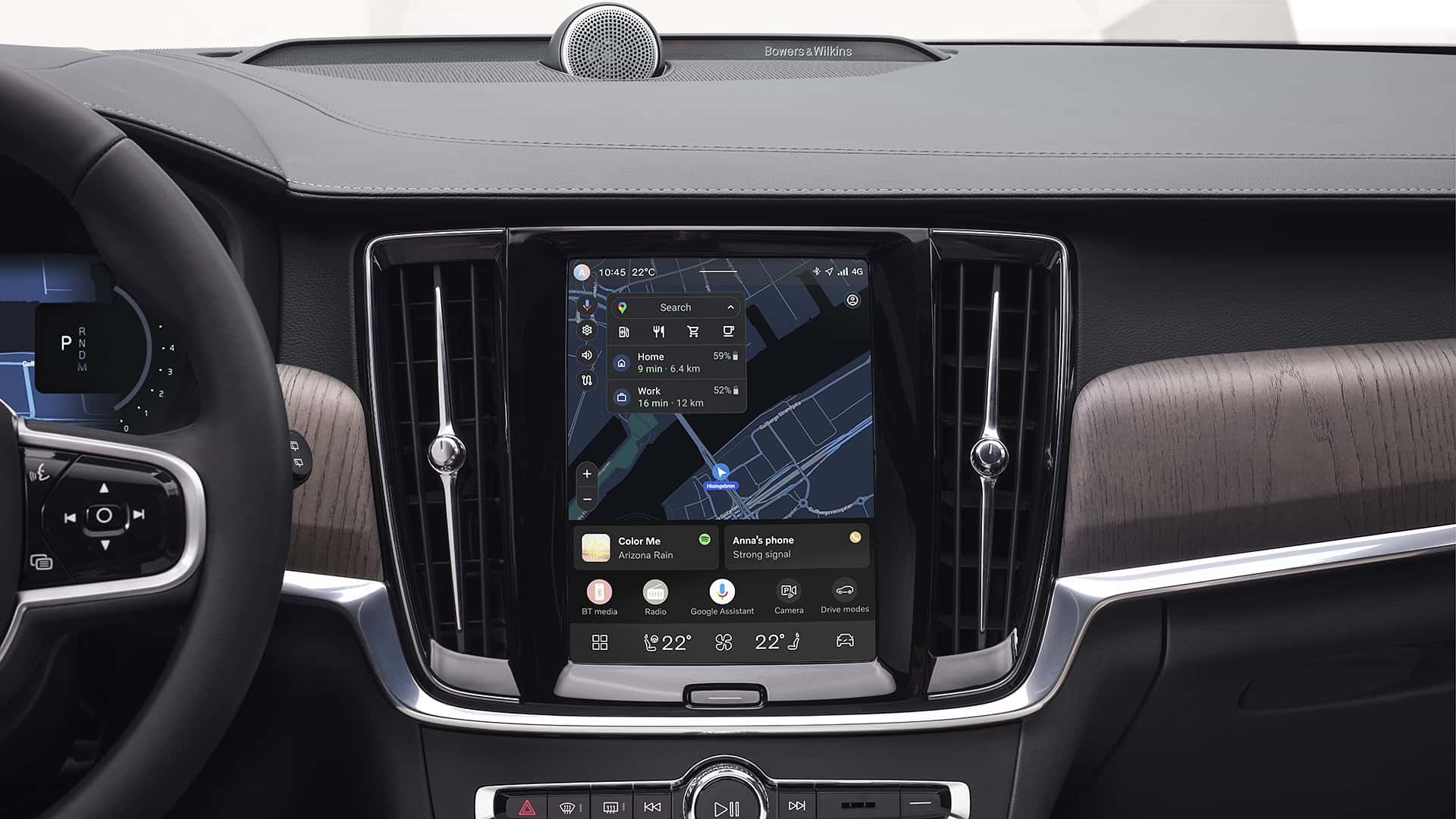
Volvo V90, OTA update 2026
A contextual bar provides real-time information based on situations, facilitating low-speed maneuvers. This user-centered approach could redefine expectations for digital experiences in vehicles. In short, Volvo aims to stand out in a market where ease of use is becoming a crucial choice criterion for consumers.
A Step Towards Intelligent Hybridization
Owners of plug-in hybrid models will also benefit from simplified driving mode management. The ability to quickly switch from hybrid mode to Pure mode from the home screen is a concrete example of Volvo’s desire to optimize energy efficiency. In practice, this could significantly influence driver behavior regarding fuel consumption and electric range.
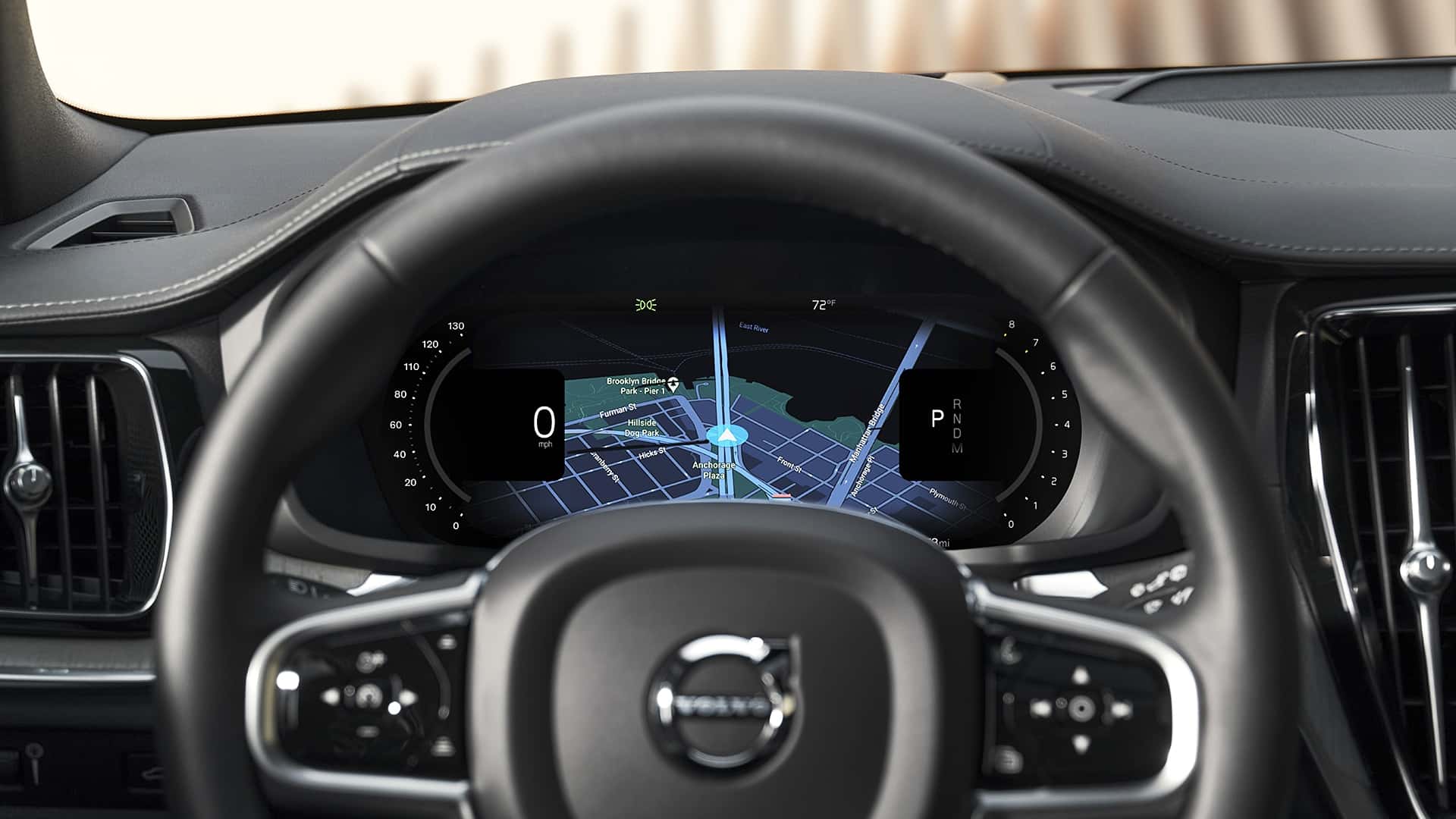
Volvo V60, OTA update 2026
Meanwhile, owners of models equipped with integrated Google will be able to acquire advanced features like Pilot Assist directly through the update. This underscores Volvo’s technological positioning, which seeks to enrich the daily driving experience rather than just adding gadgets.
Integration Towards Artificial Intelligence
The update also paves the way for the future integration of Google Gemini, the conversational AI assistant that is expected to gradually replace Google Assistant. This development is crucial in a context where human-machine interaction is becoming increasingly sophisticated. By offering a more natural and complex voice command experience, Volvo could establish itself as a leader in technological innovation in the automotive sector.
This evolution goes beyond a simple software update: it reflects a philosophy of continuous development that ensures a modern and intuitive driving experience, even for older vehicles. In essence, Volvo illustrates how software can profoundly transform the onboard experience, making vehicles not only smarter but also better suited to future consumer expectations.
Economic and Competitive Implications
This strategic shift also raises questions about the medium-term economic impact. By offering these updates for free as long as cars have the latest software versions, Volvo strengthens customer loyalty while distinguishing itself from competitors who may be less proactive in this area. However, this approach could incur additional costs for customers whose vehicles are not up to date.
In a rapidly changing automotive market, where consumers are increasingly attentive to embedded technology and connectivity, Volvo appears well-positioned to capitalize on this trend. Moreover, this initiative could encourage other manufacturers to adopt similar strategies, thereby transforming the competitive landscape.
In Summary
- Volvo deploys its largest OTA update, affecting 2.5 million vehicles.
- A reimagined user interface aims to simplify interaction with the car.
- Plug-in hybrid models benefit from optimized driving mode management.
- Integration of Google Gemini prepares the way for advanced AI interaction.
- This strategy could enhance customer loyalty and influence the automotive market.
In conclusion, this update represents much more than a simple technical improvement for Volvo. It is a genuine turning point that could redefine the future of the Swedish automaker in an ever-evolving automotive environment. Alternatives to this approach exist, but few seem to offer the same promise of continuous innovation and enhancement of user experience. For current and future Volvo customers, this initiative could translate into a significantly enriched driving experience.


